How to Improve Google Ads Product Feed Titles (and Why It Matters)
Learn how to optimise Google Ads Shopping product feed titles to improve visibility, attract the right shoppers, and increase clicks.


Learn how to optimise Google Ads Shopping product feed titles to improve visibility, attract the right shoppers, and increase clicks.
A simple Google Ads campaign quickly becomes hard to manage as data grows—clear structure makes performance easier to analyse and optimise.
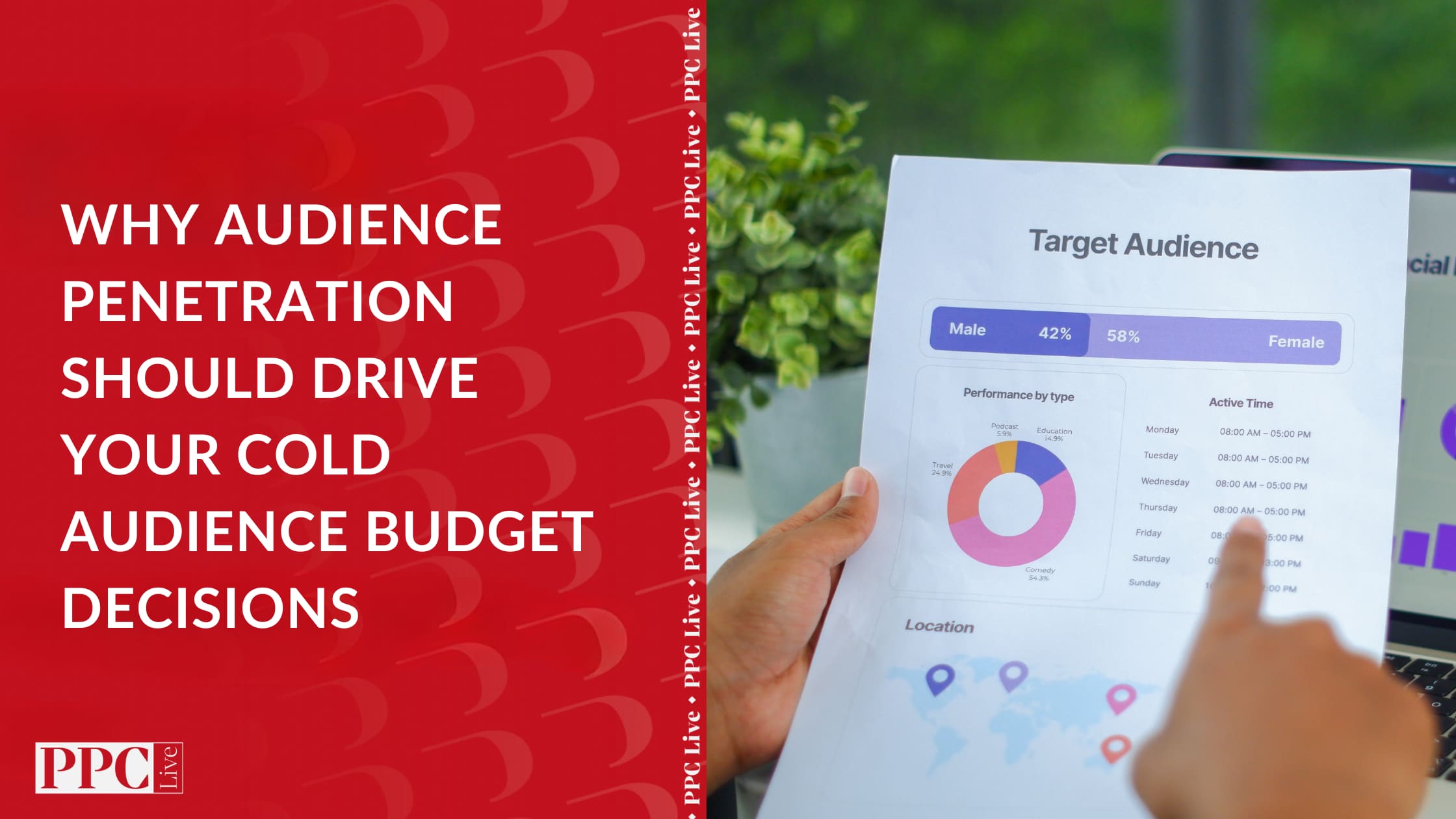
When it comes to cold audiences, your budget shouldn’t be based on gut feel — it should be driven by how much of your audience you actually want to reach and how often they need to see you.
B2B Google Ads campaigns perform best when they prioritise high-intent and long-tail keywords that mirror how real decision-makers search.

January is the ideal moment to audit your PPC campaigns. Post-Christmas performance data reveals what worked, what didn’t, and where to optimise. This article outlines three key areas to review to turn festive insights into stronger Q1 results.

December isn’t a month to go dark—while competitors switch off, smart B2B marketers stay visible, capture cheaper attention, and build the momentum that will let them dominate in January.
A smart B2B Google Ads budget split — 60% non-brand, 20% brand, 20% competitor — balances growth, protection, and opportunity to drive sustainable demand generation.
Learn how ad extensions transform standard Google Ads into more powerful, informative, and engaging advertisements that boost visibility, click-through rates, and conversions.

If you’re using LinkedIn Ads, you might choose between Lead Gen Forms or landing page forms. This blog explains each option, its pros and cons, when to use them, and which tends to perform best for B2B businesses.
Learn how to use Dynamic Search Ads to discover valuable keywords, improve campaign performance, and better understand customer search behavior.
Learn how to optimise Google Ads Shopping product feed titles to improve visibility, attract the right shoppers, and increase clicks.
A simple Google Ads campaign quickly becomes hard to manage as data grows—clear structure makes performance easier to analyse and optimise.
When it comes to cold audiences, your budget shouldn’t be based on gut feel — it should be driven by how much of your audience you actually want to reach and how often they need to see you.
B2B Google Ads campaigns perform best when they prioritise high-intent and long-tail keywords that mirror how real decision-makers search.
January is the ideal moment to audit your PPC campaigns. Post-Christmas performance data reveals what worked, what didn’t, and where to optimise. This article outlines three key areas to review to turn festive insights into stronger Q1 results.
December isn’t a month to go dark—while competitors switch off, smart B2B marketers stay visible, capture cheaper attention, and build the momentum that will let them dominate in January.
A smart B2B Google Ads budget split — 60% non-brand, 20% brand, 20% competitor — balances growth, protection, and opportunity to drive sustainable demand generation.
Learn how ad extensions transform standard Google Ads into more powerful, informative, and engaging advertisements that boost visibility, click-through rates, and conversions.
If you’re using LinkedIn Ads, you might choose between Lead Gen Forms or landing page forms. This blog explains each option, its pros and cons, when to use them, and which tends to perform best for B2B businesses.
Learn how to use Dynamic Search Ads to discover valuable keywords, improve campaign performance, and better understand customer search behavior.